RevivaMed Solutions
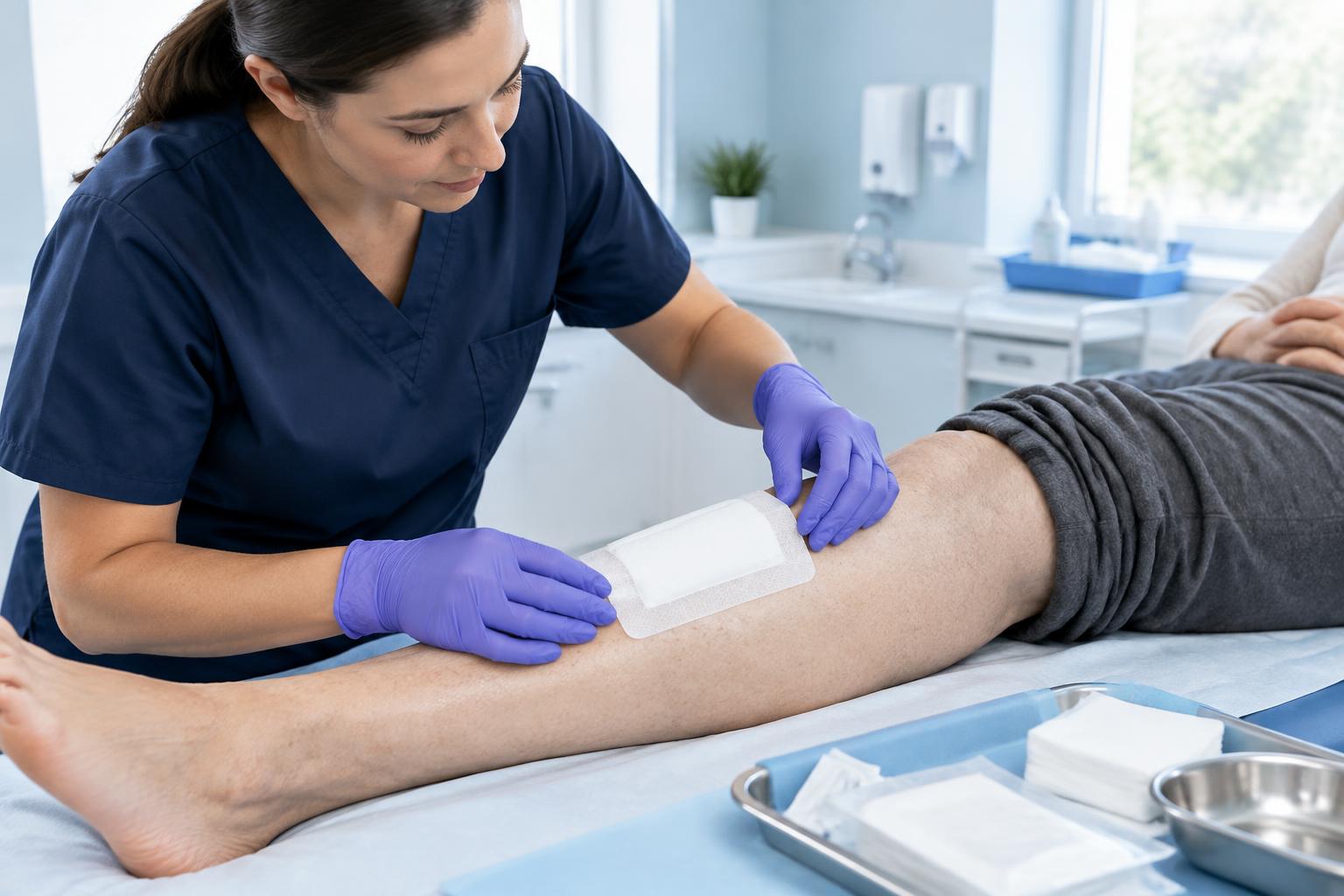
Clinician placing a clean dressing on a patient’s lower leg

Evidence • Wound types

Wounds our products can heal

Advanced wound-care products can support a clinician’s care plan for challenging wounds. RevivaMed Solutions connects healthcare teams with amniotic membranes, antimicrobial matrices and other wound-care options—not patient treatment services.

Explore wound-care products

Different wounds. A carefully selected approach.

A wound that is slow to close needs more than a dressing change. Its cause, blood supply, pressure, infection risk and the patient’s overall health help determine the next step. Our role is to provide product information and documentation so clinicians can evaluate appropriate options.

Understanding the wounds your team treats

These six wound categories require individualized assessment. Product suitability depends on the wound, the manufacturer’s instructions and the treating clinician’s judgment.

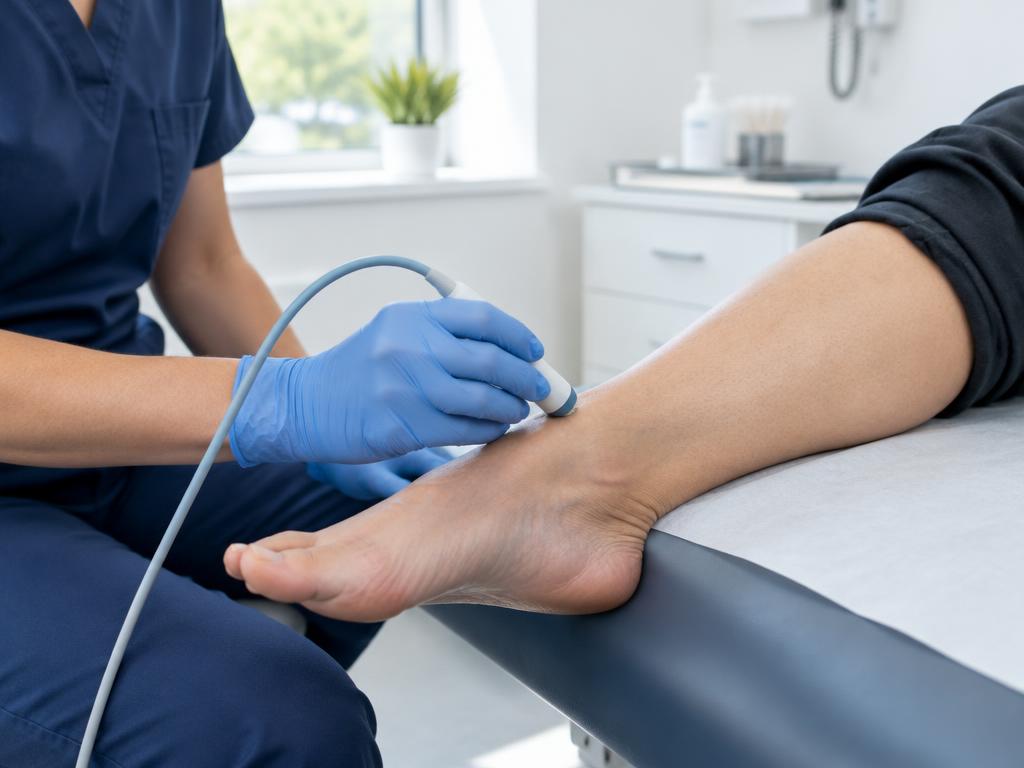
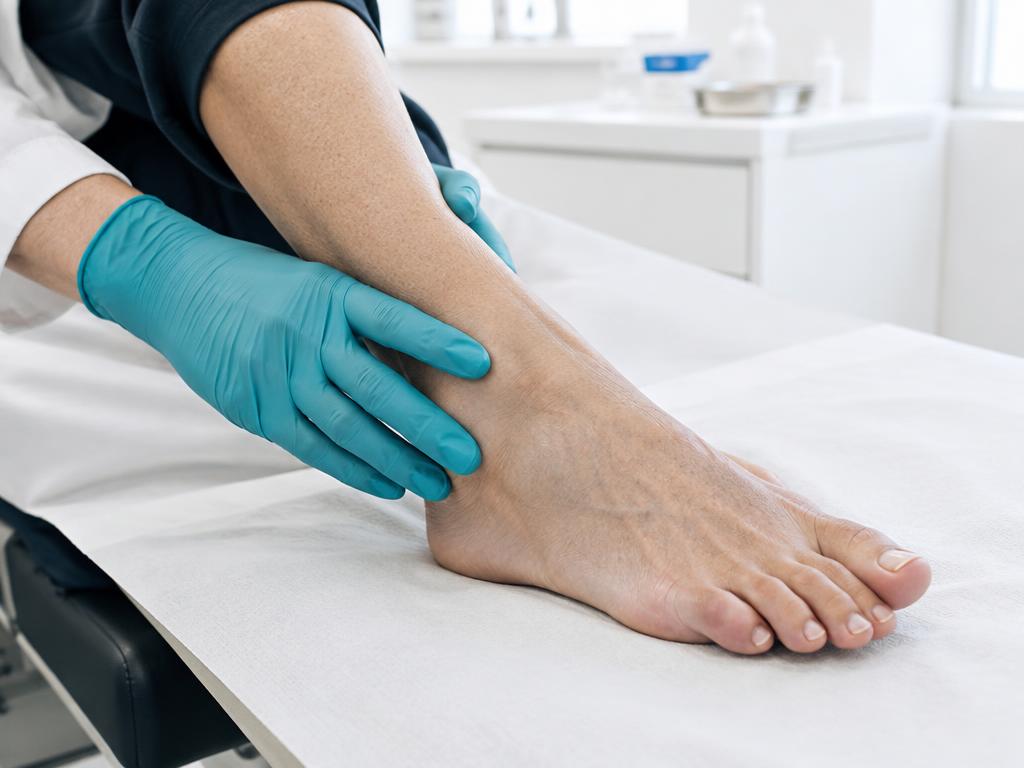
Clinical foot and ankle assessment

Diabetic foot ulcers

Diabetes-related nerve damage can make a foot injury difficult to notice, while impaired circulation may delay repair. Small areas of broken skin can develop into persistent ulcers.

Clinical considerations

Care commonly includes pressure offloading, assessment of circulation, infection management and glucose control. The papers we share include retrospective studies of amniotic membranes alongside standard care for diabetic foot ulcers.

Nurse assisting with pressure-relieving positioning

Pressure injuries

Sustained pressure, sometimes combined with shear, can damage skin and underlying tissue, particularly over bony areas in people with limited mobility.

Clinical considerations

Pressure redistribution, repositioning, nutrition and wound assessment remain essential. Our Evidence page includes a pilot real-world study of placental-based membranes in complex pressure ulcers.

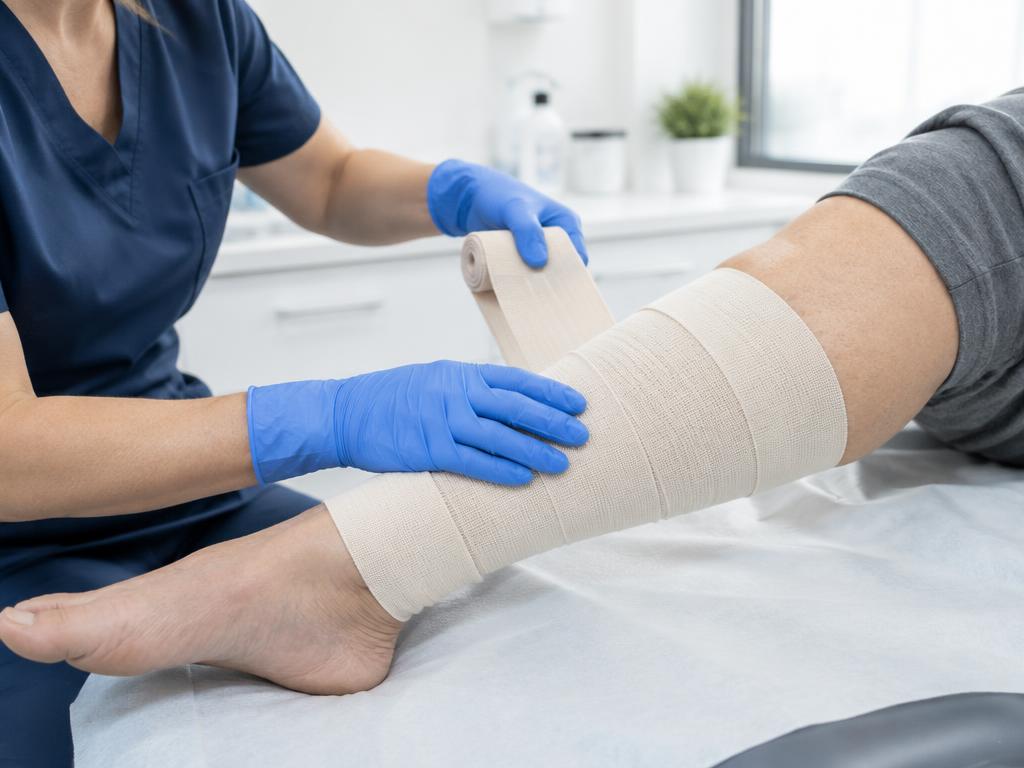
Clinician wrapping a lower leg

Venous leg ulcers

When leg veins do not return blood effectively, fluid buildup and increased venous pressure can contribute to skin breakdown, often around the lower leg or ankle.

Clinical considerations

A clinician evaluates circulation before deciding on compression and other care. Venous leg ulcers were included in the mixed-wound retrospective study of hydrated amniotic membrane shared on our Evidence page.

Clinician assessing ankle circulation

Arterial ulcers

Reduced arterial blood flow limits the oxygen and nutrients reaching tissue, making wounds on the feet or lower legs difficult to heal.

Clinical considerations

Vascular assessment and restoring adequate blood supply take priority. Advanced coverings cannot correct poor circulation; any product must be selected after specialist evaluation. The studies shared here do not establish effectiveness for arterial ulcers.

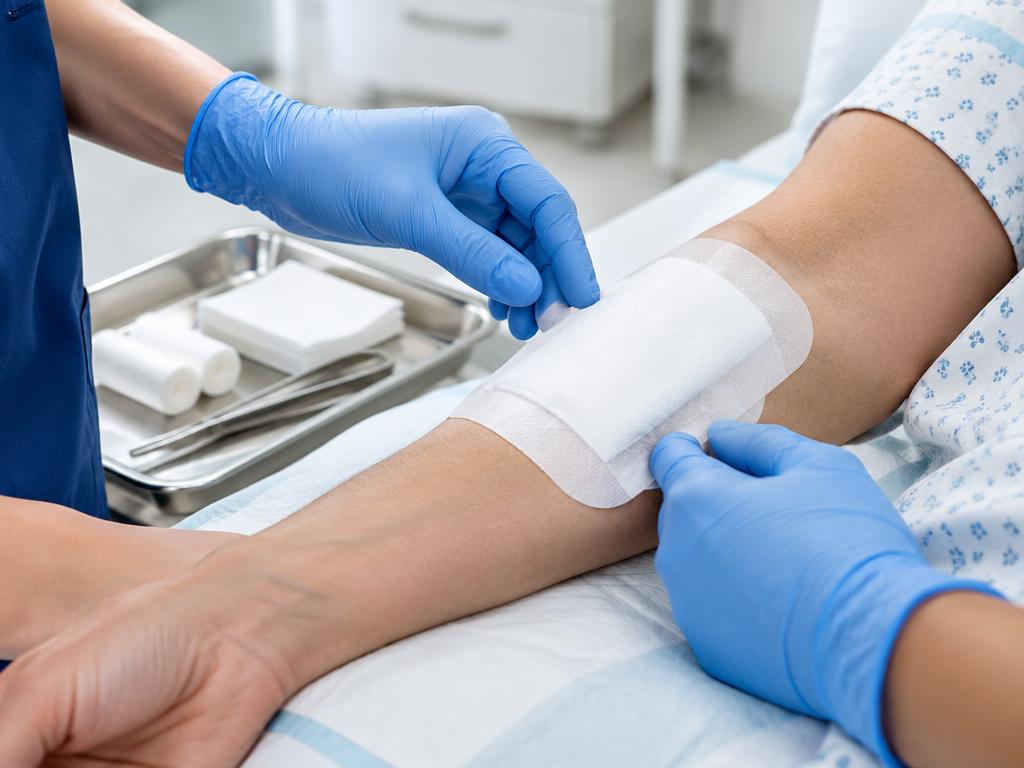
Clinician checking a surgical dressing

Surgical wounds

An incision may reopen or progress more slowly than expected after an operation. Infection, tension at the incision and other patient factors may contribute.

Clinical considerations

The surgical team assesses the cause and determines wound management. Protective coverings and antimicrobial matrices may be evaluated according to their instructions; studies in other wound types do not prove surgical-wound outcomes.

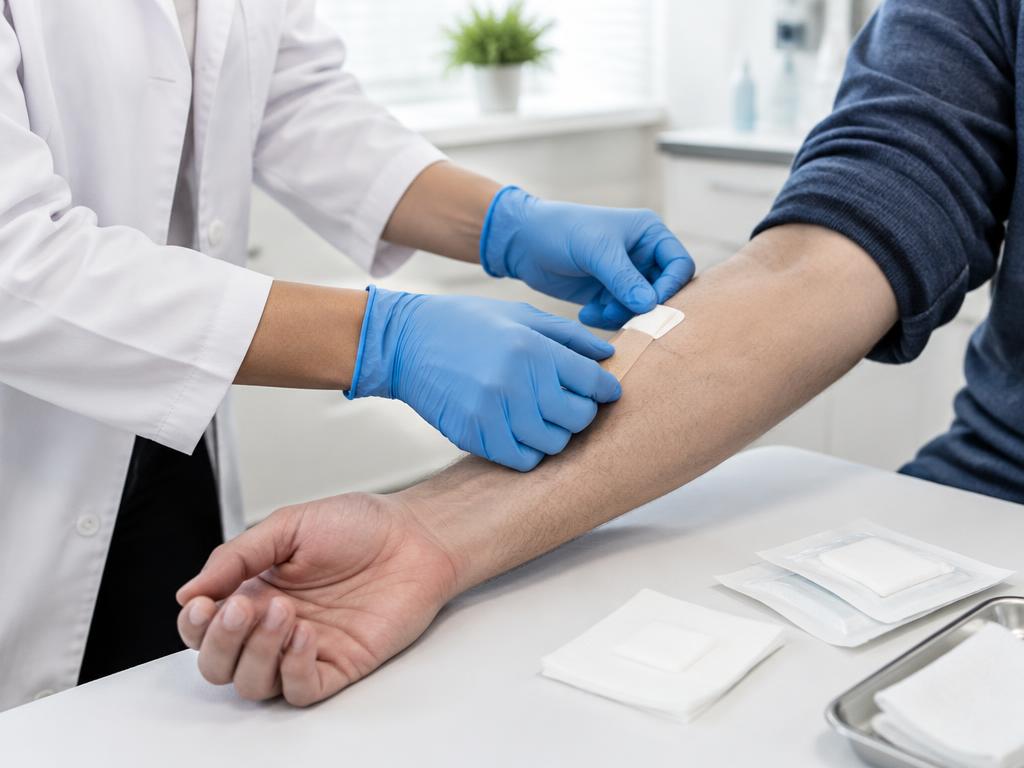
Clinician applying a forearm dressing

Traumatic wounds

Cuts, tears and other injuries can disrupt the skin and deeper tissue. Contamination, tissue damage or underlying health conditions may complicate recovery.

Clinical considerations

Assessment of depth, contamination and circulation guides care. Clinicians may consider appropriate coverings or matrices, but product choice must follow the intended use; our shared studies do not establish outcomes for traumatic wounds.

Support for the care plan—not a substitute for it

Our wound-care portfolio includes protective amniotic coverings, antimicrobial matrices, bioengineered products and point-of-care autologous options. Ask for the documentation relevant to the wound types your team manages. Research peptides are not presented as wound-healing treatments.

Connect wound types with published evidence

The supplied papers address diabetic foot ulcers, pressure ulcers and a mixed group of hard-to-heal wounds, including venous leg ulcers. These retrospective and pilot analyses have limitations; their findings do not guarantee healing or apply to every product or wound category.

Read the published papers

Educational information for healthcare professionals. RevivaMed Solutions is a distributor, not a treatment provider. No product can be promised to heal every wound; outcomes vary. Clinical assessment and the manufacturer’s current instructions determine appropriate use. Pictures are illustrative, not clinical results.

Discuss your team’s wound-care needs

Ask for product documentation, sizes and availability. Please do not include patient information.

We use what you send only to answer your inquiry.